

Retail · VTO
A Post-Mortem on Sephora's Virtual Artist Try-On
Lessons from one of the most visible attempts to bring virtual try-on to mainstream beauty retail.
Read case studyChrysalisX™ delivers a physics-based shade matching engine as a B2B API. Accurate for every skin tone. Built for brands that care about both.
Grounded in unbiased skin data and the latest research, ChrysalisX™ focuses on real shade accuracy. Not AR tricks. Not tinted overlays.
Over 70% of shoppers say accuracy is their biggest issue with today's beauty AI.
By submitting, you agree to our Privacy Policy and Terms.
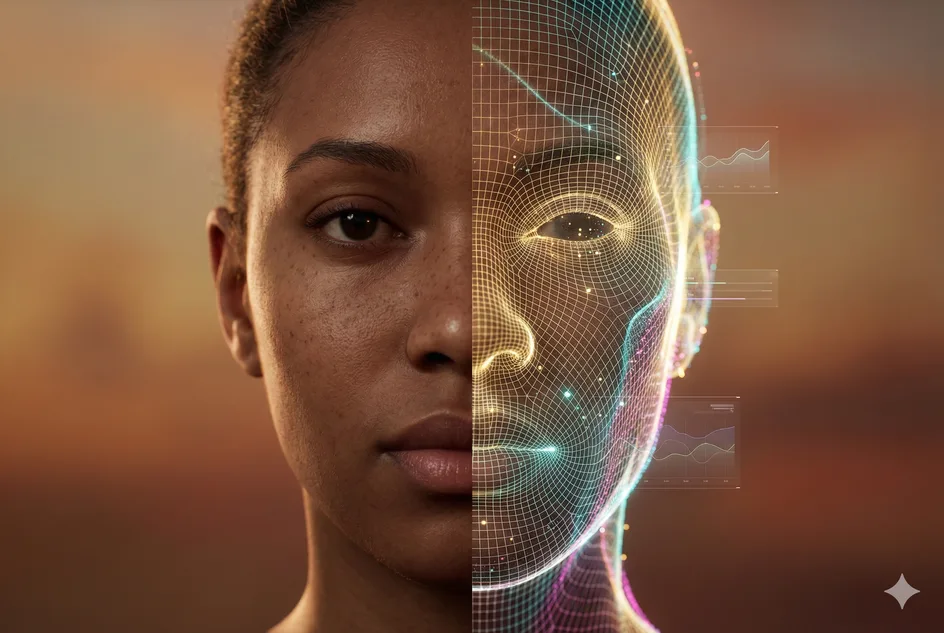
Same light, same camera, three very different outcomes: reality, today's Virtual Try-On (VTO) filters, and ChrysalisX™ Core.

No makeup. Natural lighting. True skin tone.

Artificial smoothing and brightening. Pretty, but inaccurate.

Physics-corrected shade rendering powered by unbiased skin data.

No makeup. Natural lighting. True skin tone.

Artificial smoothing and brightening. Pretty, but inaccurate.

Physics-corrected shade rendering powered by unbiased skin data.

No makeup. Natural lighting. True skin tone.

Artificial smoothing and brightening. Pretty, but inaccurate.

Physics-corrected shade rendering powered by unbiased skin data.
We model the specific light environment, skin topography, and camera response function in real-time.
Our physics engine recalibrates the input using unbiased spectral data to recover true color values.
We generate a hyper-realistic preview that reacts naturally to light changes and movement.
Current Virtual Try-On stacks weren't built for real-world lighting, sensor differences, and diverse skin tones. They rely on simple overlays that ignore the physics of light interaction.
Indoor lighting creates color shifts that standard cameras can't compensate for, leading to false matches.
Smartphone cameras aggressively smooth skin and alter tones to make photos 'pleasing' rather than accurate.
Legacy datasets heavily favor lighter skin tones, resulting in poor performance and accuracy on deeper complexions.
Why it works
Cameras often distort skin tone, and most Virtual Try-On tools are trained on biased datasets.
ChrysalisX™ Core corrects both using physics instead of filters.
Shoppers see a preview that reflects their real skin in real lighting—boosting trust at checkout and reducing returns.
beauty orders are returned due to shade mismatch.
consumer concern when shopping beauty online is shade accuracy.
We set out to fix shade matching. But when you reduce returns by getting the match right, you also reduce shipping, packaging waste, and carbon. Turns out accuracy is the most underrated sustainability strategy in beauty.
See Our ImpactWe're training our model on a truly inclusive dataset so it can represent real skin across all depths, undertones, and textures.
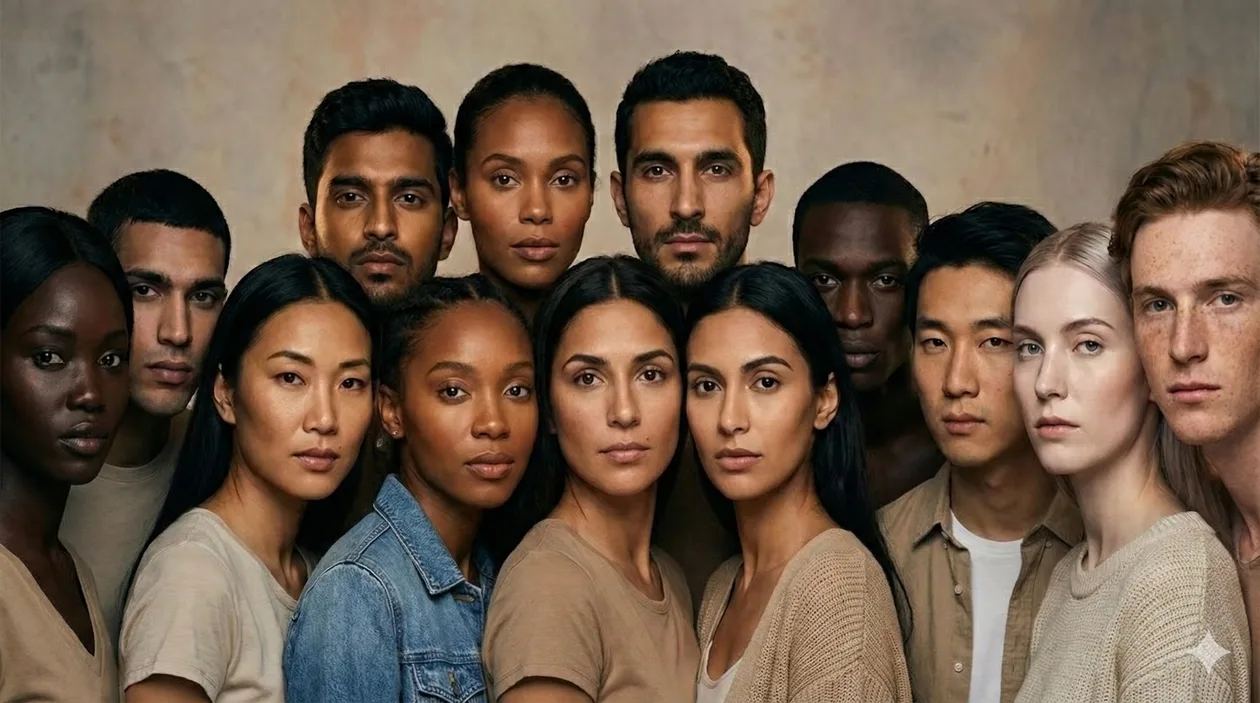
AI-generated representation for illustration purposes.
ChrysalisX™ began with a simple question: why does virtual try-on get real skin so wrong? What we found wasn't a flaw in beauty — it was a flaw in technology. Cameras shift undertones. Filters lighten deeper complexions. Training data erases nuance. We built ChrysalisX to bring real-world honesty back to shade matching.
Instead of smoothing faces or guessing tones, we start with physics — light, reflection, and the way skin actually behaves across shade, depth, and undertone. By correcting sensor distortion and removing filter artifacts, we recover what the camera hides: your true skin tone, in your true lighting.
Accurate shade matching isn't just a convenience. It's inclusivity. It's trust. It's fewer returns, less waste, and a shopping experience that finally works for every complexion — not just the ones tech was historically trained on.
We're building technology that reflects real people, not idealized filters. That means grounding our work in unbiased data, representing deeper skin tones with fidelity, and designing tools that respect the way customers actually shop.
ChrysalisX™ Core is only the beginning. We're working with forward-thinking brands to bring honest, reliable shade matching to the industry — from complexion products today to the full beauty stack tomorrow.
Explore how beauty technology has evolved and what lessons shape the next generation of shade matching.
Supported by